INTRODUCTION
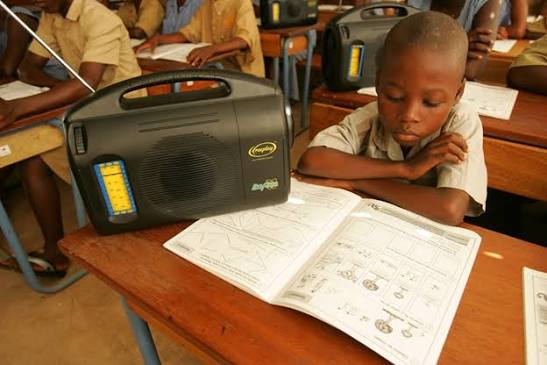
Educational broadcasting refers to the use of radio, television, and digital media platforms to disseminate instructional content, knowledge, and cultural programming with the primary goal of educating the public, rather than merely entertaining or generating commercial profit. It is a subset of public service broadcasting dedicated to lifelong learning, formal education support, and societal development.
1. Historical Evolution
· Early 20th Century (Radio Era): Began with university and public radio stations. Pioneers like the BBC (British Broadcasting Corporation) in the UK, with its founder Lord Reith's mantra to "inform, educate, entertain," made education a core mandate. In the US, stations like WHA (University of Wisconsin) and the development of National Public Radio (NPR) later, played key roles.
· Mid-20th Century (Television Era): Television dramatically expanded the scope. Landmark series include:
· "Sesame Street" (USA, 1969): Revolutionized children's educational TV using research-based curriculum and entertainment.
· "The Open University" (UK, 1971): Partnered with the BBC to deliver full degree courses via TV and radio, democratizing higher education.
· NHK Educational TV (Japan): Dedicated channel offering programs for schools, language learning, and cultural enrichment.
· Late 20th Century to Present (Digital & Satellite Era): The rise of dedicated channels (Discovery Channel, PBS Kids, The History Channel initially), satellite distribution, and finally the internet transformed the field. It evolved into Educational Media & Technology, encompassing podcasts, streaming services (like Khan Academy videos, BBC Bitesize), MOOCs (Massive Open Online Courses), and interactive online platforms.
---
2. Core Objectives and Functions
· Formal Education Support: Directly complements school/uni curricula (e.g., broadcast lessons, documentary series for history/science classes).
· Non-Formal Education: Provides structured learning outside formal systems (vocational training, adult literacy, health campaigns).
· Informal Learning & Enrichment: Stimulates curiosity and knowledge through documentaries, cultural programming, and science shows.
· Social & Cultural Development: Promotes social cohesion, cultural preservation, citizenship, and public awareness (e.g., environmental issues, democracy).
· Reaching the Marginalized: A critical tool for providing education to remote, underserved, or special-needs populations where traditional schools are inaccessible.
---
3. Key Characteristics
· Intentionality: Content is designed with specific learning objectives.
· Structured Presentation: Often follows pedagogical principles (scaffolding, repetition, engagement).
· Accessibility: Aimed at being free or low-cost and available to wide audiences.
· Complementary Role: Typically works best alongside other educational materials or teacher guidance.
· Public Service Ethos: Funded publicly, through licensing fees, grants, or philanthropy, reducing commercial pressure.
---
4. Modes of Delivery
Mode Examples Typical Use
Broadcast TV/Radio PBS (USA), BBC Bitesize broadcasts, All India Radio's "Gyan Vani" National curricula, children's programming, public lectures.
Dedicated Satellite/Cable Channels Discovery Education, NASA TV, The Curiosity Stream Thematic, in-depth educational content.
Online Streaming & Platforms Khan Academy, Crash Course (YouTube), Coursera, educational podcasts On-demand, personalized, interactive learning.
Multimedia Packages CD/DVD + print material combo (used historically by Open Universities) Integrated learning systems for distance education.
---
5. Advantages
· Scale & Reach: Can educate millions simultaneously across vast geographical areas.
· Cost-Effectiveness: Low marginal cost per additional viewer/listener.
· Quality Equity: Delivers high-quality content from master teachers to all.
· Engaging Presentation: Uses professional production (animation, location footage, expert interviews) to make complex subjects appealing.
· Flexibility: Learners can access content at their own time and pace (especially with digital archives).
· Crisis Resilience: Proven vital during school closures (e.g., Ebola, COVID-19 pandemics).
---
6. Challenges and Limitations
· One-Way Communication (Traditional): Historically limited interaction and feedback (mitigated by digital interactivity).
· Digital Divide: Access to required technology (TV, radio, internet) and electricity is not universal, potentially exacerbating inequality.
· Passivity Risk: Without active learning strategies, viewers may consume content passively.
· Funding & Sustainability: Relies on often precarious public funding or philanthropic grants.
· Content Relevance & Localization: Mass-produced content may not align with local curricula or cultural contexts.
· Assessment & Certification: Integrating broadcast learning with formal accreditation remains a challenge.
---
7. Notable Global Models
· BBC (UK): The quintessential public service broadcaster with education (BBC Bitesize, BBC Teach) at its core.
· PBS (USA): Public Broadcasting Service, home to Sesame Street, NOVA, Frontline, and extensive teacher resources.
· NHK (Japan): Operates two dedicated educational TV and radio channels with systematic programming for all ages.
· The Open University/BBC Partnership (UK): A historic model of direct synergy between broadcast media and a degree-awarding institution.
· Telesecundaria (Mexico): Uses broadcast TV to deliver secondary education to rural communities, with a local facilitator.
· Khan Academy (International, Digital): Represents the modern, platform-based evolution of the educational broadcasting principle.
---
8. The Future: Trends and Directions
1. Hybrid & Blended Learning: Educational broadcasting is no longer standalone but a core component of integrated digital learning environments.
2. Interactive & Adaptive Technology: Use of AI to recommend content, interactive quizzes, and virtual reality (VR) for immersive learning.
3. Mobile-First & Microlearning: Short-form, mobile-optimized content for just-in-time learning (e.g., educational YouTube shorts, TikTok explainers).
4. Localized & Community-Generated Content: Leveraging low-cost tools for communities to create and share their own educational media.
5. Lifelong & Lifewide Learning Focus: Catering to professional upskilling, personal hobbies, and wellness for all ages beyond Formal schooling.
Importance and Limitations of Educational Broadcasting
Here’s a focused breakdown of why educational broadcasting matters and where it faces challenges:
---
I. Importance (Why It’s Essential)
A. Democratizing Access & Promoting Equity
· Bridging Geographical Gaps: Delivers quality education to remote, rural, and underserved areas where schools or teachers are scarce (e.g., Telesecundaria in Mexico, radio schools in the Australian outback).
· Cost-Effective Scale: Once produced, content can reach millions at a very low marginal cost per learner, making high-quality instruction economically viable for governments and NGOs.
· Serving Diverse Learners: Caters to non-traditional students (working adults, homemakers, the elderly), people with disabilities (e.g., audio description, sign language), and marginalized communities.
B. Enhancing Educational Quality
· Curating Expert Knowledge: Brings the world’s best educators, scientists, and cultural figures into any classroom or home (e.g., David Attenborough’s documentaries, MIT OpenCourseWare videos).
· Making Learning Engaging: Uses professional production—cinematography, animation, drama, and storytelling—to explain complex topics (e.g., Cosmos, BBC’s Walking with Dinosaurs) in ways that captivate audiences.
· Standardizing Quality: Ensures a baseline of accurate, pedagogically sound content, especially important in regions with variable teaching quality.
C. Supporting Formal Education Systems
· Teacher Support: Provides rich multimedia resources for classroom use, saving teachers time and enhancing lessons.
· Curriculum Continuity: During crises (wars, pandemics, natural disasters), it becomes a lifeline for education continuity, as seen with TV/radio lessons during COVID-19 school closures.
· Supplementary Learning: Reinforces school concepts through programs like Sesame Street (early literacy/numeracy) or Khan Academy (homework help).
D. Fostering Social and National Development
· Public Health & Social Change: Effectively disseminates crucial information on sanitation, vaccination, family planning, and democracy (e.g., BBC’s The Archers originally educated UK farmers; Soul City in South Africa addressed health issues).
· Cultural Preservation & Promotion: Broadcasts national history, literature, music, and languages, fostering cultural identity and social cohesion.
· Lifelong Learning Society: Encourages continuous skill development and intellectual engagement beyond formal schooling, supporting an adaptable workforce and an informed citizenry.
---
II. Limitations & Challenges (Where It Falls Short)
A. Pedagogical & Design Limitations
· Inherent Passivity (Traditional Models): The classic one-way transmission model lacks interaction, immediate feedback, and adaptation to individual learner pace—risking passive consumption over active learning.
· Standardization vs. Personalization: Mass broadcasting struggles to cater to individual learning styles, paces, or specific learner difficulties (though AI and digital platforms are mitigating this).
· Assessment and Certification: It is difficult to formally evaluate learning, provide credentials, or guarantee comprehension through broadcast alone without integrated assessment mechanisms.
B. Access & Infrastructural Barriers
· The Digital & Analog Divide: Access hinges on ownership of technology (radio, TV, smartphone), reliable electricity, and internet connectivity. This can exacerbate inequality, leaving the poorest behind.
· Signal Reach & Language: Remote areas may lack signal coverage. National broadcasts might not cater to linguistic minorities or local dialects, reducing relevance.
· Cost of Reception: Even if broadcasting is free, the receiver device and electricity cost can be prohibitive for the most vulnerable.
C. Content & Context Challenges
· Cultural Relevance: Content produced centrally (often in urban studios or foreign countries) may not reflect local contexts, values, or real-life examples, reducing effectiveness and engagement.
· Curriculum Alignment: Synchronizing broadcast schedules with diverse and changing school curricula across regions is logistically complex.
· Maintaining Engagement: Without the social environment of a classroom, sustaining learner motivation and discipline over time is a significant hurdle.
D. Systemic & Operational Issues
· High Upfront Production Costs: Creating high-quality, curriculum-accurate content requires significant investment in expertise, production, and rights, posing a sustainability challenge.
· Funding Instability: As a public good, it often relies on government or donor funding, which can be politically vulnerable or subject to shifting priorities.
· Teacher Readiness & Integration: If not properly introduced, teachers may see it as a threat or an add-on burden, rather than a tool to be effectively integrated into their pedagogy.
---
Synthesis: The Balanced View
Importance (Strengths) Limitations (Weaknesses)
Mass Reach & Equity: Unparalleled tool for scale. Access Divide: Can exclude the very poorest.
Quality & Engagement: High-production, expert-led content. Pedagogical Passivity: Risk of one-way, non-interactive learning.
Crisis Resilience: Ensures educational continuity. Context Irrelevance: May not align with local needs/curricula.
Social Development: Drives public health and cultural goals. Assessment Gap: Weak in credentialing and feedback.
Lifelong Learning: Supports education beyond formal schooling. Sustainability: High costs and uncertain funding models.